
Exploring the social dynamics of gambling More than just a game
The Evolution of Gambling as a Social Activity
Gambling has transitioned from a clandestine pastime to a widely accepted social activity that spans cultures and communities. Historically, games of chance were often associated with social gatherings, where individuals sought not only entertainment but also a sense of belonging. Today, as casinos and online platforms proliferate, players can find options like an instant withdrawal casino, making it more accessible than ever and enabling people to engage with one another across geographical boundaries.

This evolution signifies that gambling is not merely a game of luck, but a dynamic social phenomenon that brings people together. It offers unique opportunities for interaction, allowing participants to form connections while navigating the thrill of competition. With the rise of online gaming communities, players can share experiences and strategies, fostering a sense of camaraderie that transcends traditional social barriers.
The Psychological Effects of Gambling
The psychological landscape of gambling is complex, encompassing various emotions and mental states. For many, the excitement of placing a bet can trigger feelings of joy and anticipation. However, the thrill can also lead to adverse effects, including stress and anxiety, especially for those who develop a compulsive gambling behavior. Understanding these psychological dynamics is crucial for responsible gambling practices.
Furthermore, the dopamine release associated with winning can create a cycle of seeking that keeps players returning for more. This addiction not only impacts individuals but also affects their relationships and social lives, as the need to gamble may overshadow other responsibilities and connections. Recognizing these psychological effects is vital for anyone involved in gambling, whether for leisure or as a way to cope with life’s pressures.
The Role of Community in Gambling Culture
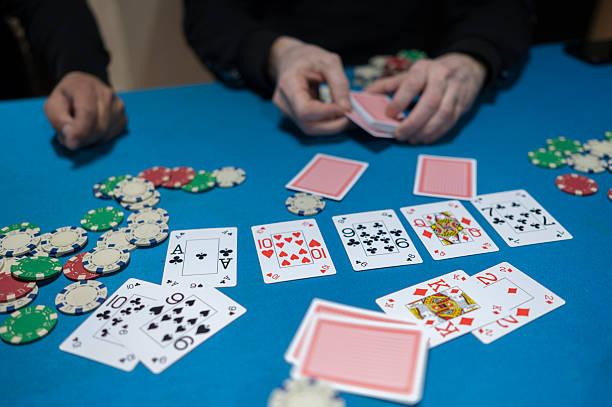
Community plays an integral role in shaping gambling culture, influencing how individuals perceive and engage in gaming activities. Local gambling establishments often foster community ties, serving as social hubs where players can connect over shared interests. These environments create a sense of loyalty and belonging, making gambling a shared experience rather than an isolated activity.
In online settings, virtual communities offer similar social interactions, where players can form friendships and alliances. Forums and chat rooms allow for the exchange of tips and strategies, enhancing the social aspect of gambling. This sense of community not only enhances the gambling experience but also provides a support network for individuals grappling with the psychological implications of gambling.
The Impact of Technology on Gambling Dynamics
Technology has revolutionized gambling, introducing new platforms and formats that reshape social dynamics. The advent of online casinos and mobile gaming apps has made gambling more accessible, allowing players to engage with their favorite games anytime and anywhere. This convenience has expanded the gambling audience, drawing in individuals who may not have previously participated in traditional settings.
Additionally, technological advancements facilitate new forms of social interaction, such as live dealer games and virtual reality experiences. These innovations allow players to experience the thrill of gambling while interacting with real dealers and fellow players, bridging the gap between physical and online gambling environments. As technology continues to evolve, so too will the social dynamics associated with gambling, paving the way for new forms of community engagement.
Understanding Responsible Gambling and Its Social Context
Responsible gambling is a crucial aspect of the gambling landscape, ensuring that individuals can enjoy gaming activities without negative consequences. As the social dynamics of gambling become increasingly complex, promoting responsible practices becomes essential for both individuals and communities. Education about the risks associated with gambling and resources for seeking help are vital components of fostering a healthier gaming environment.
Moreover, awareness campaigns and community programs play a significant role in addressing the social impact of gambling. These initiatives not only educate players about responsible gambling but also encourage open discussions about the psychological and social effects of gaming. By fostering a culture of responsibility, communities can create an inclusive environment where gambling is enjoyed safely and sustainably, ultimately enhancing the collective experience.
