
Create healthy, balanced meals using this visual guide as a blueprint. Throughout history, spiritual literature is full of examples of people who fasted for purification. On the basis of the latest research, it seems that the glow of health is here for modern-day fasters. It contributes to many other conditions, including Type 2 Diabetes, GERD, Sleep Apnea, Hypertension, Hyperlipidemia, Joint Disorders, and a variety of cancers.
The benefits of intermittent fasting
During those fasting days, water and broth is encouraged so you don’t become dehydrated. This type of fasting could be beneficial for someone with a /reviews/unimeal.com work schedule that may be really busy some days and cannot eat on a regular basis. Some research shows that intermittent fasting works, at least in the short term.
Any type of fasting could be dangerous if you’re on certain medicines or have certain conditions. A health care provider can review your health history and provide you with guidance. The idea behind intermittent fasting is that by restricting food, our bodies will more quickly and efficiently tap our fat stores for energy.
Health Spotlights
Whether it’s dinner plans or making it home in time to watch the game, we understand that life can get hectic. But, unimeal app let’s make sure your fitness goals don’t get lost in the shuffle. At Summa Health Wellness Center, we’re here to help you work out with a purpose and guide you on your journey to becoming a healthier and fitter version of yourself. It’s not recommended for health purposes and is usually done for religious reasons.
Risks of intermittent fasting
Another process triggered by the ketone bodies is called autophagy, which repairs the normal cells in the body. It’s like cellular house-cleaning, where the cells get rid of old proteins. Studies on both humans and animals demonstrate physical benefits. In one study, young men who fasted for 16 hours lost fat while maintaining muscle mass over a period of two months of resistance training.
- Lifestyle and behavioral modifications, including stress management, exercise, sleep, and other lifestyle factors can all impact how effective a diet may be.
- However, most of these studies have been relatively brief, lasting only a few months.
- February also marks American Heart Month, a great time to commit to a healthy lifestyle and make small changes that can lead to a lifetime of heart health.
- But now we have “evolved” to expect three square meals a day, not to mention snacks.
- These are some of the most common goals many of us try to accomplish each year.
- The idea is that by limiting the time during the day when you can eat, you can lower your calorie intake and maybe lose weight.
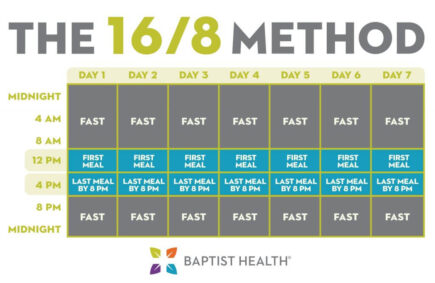
Intermittent fasting (IF) is an eating pattern that cycles between periods of fasting and eating. Another fasting schedule is to consume two meals in eight hours and fast for 16 hours. Most of the publicized fasts use a pattern like this in conjunction with a lower carbohydrate diet to have the best effect for weight loss.
Talking to Your Doctor About Your Mental Health
Going too long without food could put your body in a starvation state where it stores more fat instead of burning it. A common fasting schedule includes three meals in a 12-hour window; for example, three normal meals between 7 a.m. This was the common eating pattern in the U.S. before the 1970s, when obesity was less common. Today this pattern is still seen as a way to preserve health, and weight loss may result from it. There are variations of intermittent fasting, and nearly endless options to personalize it to your preference. Most people tend to do what is called the 16/8 approach, in which you have an eight-hour window each day to eat, and you fast for 16 hours per day from all food and any beverages with calories.
Cortisol belly: How stress can impact your weight (and what you can do about it)
Improving or eliminating obesity often can improve or cure these conditions, including Type 2 Diabetes. With the availability of food “on-demand” more and more people are opting for prepared foods, whether through a drive thru or delivered to your door. Heart disease is the leading cause of death for men and women in the United States, according to the American Heart Association (AHA). What’s more, nearly half of all adults in this country are living with some type of cardiovascular disease.
DISCOVER UCLA HEALTH
With this version of intermittent fasting, the side effects can be extreme, such as fatigue, headaches, irritability, hunger, low energy, nausea, weakness and difficulty concentrating. This twice-a-week approach to intermittent fasting focuses on capping your calories at 500 for two days a week. During the other five days of the week, you maintain a healthy and normal diet.
How much protein do you need in a day?
Here are answers to some common questions about this eating style. Zero-calorie beverages like herbal tea or black coffee can help curb hunger during fasting hours. This method is often considered one of the best intermittent fasting methods for weight loss due to its simplicity and adaptability. Here’s everything you need to know about intermittent fasting for weight loss and a few practical tips to help you decide if intermittent fasting is right for you. Sometimes people aren’t very hungry in the morning, and it can be tough to squeeze in a big breakfast during the morning frenzy.
Balance, coordination, and endurance all improved in animals during fasting studies. Studies suggest that, like calorie-controlled diets, intermittent fasting may help some people lose weight. This could be down to its simplicity, although how sustainable this weight loss is over the longer term has yet to be proven. Jessica said the science is still relatively new for intermittent fasting, and a lot of research is still being conducted to identify and verify any health benefits, risks and long-term effects. As it stands now, the current evidence supports intermittent fasting as a weight loss method for up to 12 months. When combined with endurance exercise, most of these approaches can result in significant weight loss and help lower the risk of heart disease.
The Physiology of Fat Burning
If you are considering IF, it’s best to talk with a doctor or dietitian to determine whether it is right for you. By reducing the amount of time you can eat, you’ll likely consume fewer calories without realizing it. To clarify some definitions, fasting is purposely not eating food. In contrast, starvation is not being able to eat due to factors out of your control, such as food insecurity. If you have diabetes, ask your doctor whether intermittent fasting is safe for you. Many experts don’t recommend fasting for anyone with diabetes.
Breaking Down Protein Powders
“I would recommend something like the 16/8 approach over the other methods if you choose to try intermittent fasting, because you are still eating something each day. The idea is that by limiting the time during the day when you can eat, you can lower your calorie intake and maybe lose weight. We answer these questions and more in a roundup from the National Institutes of Health (NIH). Intermittent fasting is less about what you eat and more about when you eat. This eating style focuses on only eating during certain times of the day or on specific days.
It’s important to choose an approach that feels realistic and supports your overall well-being. Interestingly, many clinical trials involving intermittent fasting have a significant dropout rate. Even in studies where people are provided the food to eat, this pattern of eating can interfere with family dinners, social outings, and other lifestyle preferences. That speaks to the sustainability of intermittent fasting – it is difficult to do long term, which is key for any diet pattern you choose. Remember to drink enough water and other fluids on fasting days to prevent dehydration.
But now we have “evolved” to expect three square meals a day, not to mention snacks. But what exactly are carbohydrates (carbs) and why are some of them so “bad” for us? Below is a breakdown of the types of carbohydrates, what they do to our bodies, which ones we can eat and those to avoid. Most of us know that too much sugar is not good for our overall health. But what you may not know is that growing research is showing what’s bad for the body may also be bad for the brain.
